Why Minerals Matter: The Foundation of your Health

When people think about nutrition, they often focus on vitamins, protein, or calories but minerals are just as essential, and often more overlooked. Minerals act as the body’s building blocks and regulators, supporting everything from energy production to hormone balance, detoxification, and nervous system function.
Unlike vitamins, minerals cannot be created by the body. They must come from food, water, and the environment. Over time, stress, modern farming practices, medications, and lifestyle factors can quietly deplete mineral stores, leaving the body struggling to function at its best.
Below are some of the key minerals many people have heard about and why they matter so much.
Magnesium: The Calming Mineral

Magnesium is involved in over 300 biochemical reactions in the body. It plays a major role in muscle relaxation, nervous system regulation, energy production, and sleep quality.
When magnesium levels are low, people may experience muscle cramps, tension, poor sleep, headaches, anxiety, or fatigue. Magnesium is also essential for heart rhythm and blood sugar balance.
Modern stress and depleted soils make magnesium deficiency extremely common, even in people who eat relatively well.
Foods: Spinach, Swiss Chard, Avocado, Broccoli, Green Beans, Pumpkin Seeds, Cashews, Quinoa, Brown Rice, Salmon, Halibut
Zinc: Immune and Hormone Support

Zinc is critical for immune function, wound healing, hormone balance, and digestion. It also supports taste, smell, and cognitive function.
Low zinc levels may show up as frequent illness, slow healing, skin issues, hair thinning, or poor appetite. Zinc is especially important for growth, reproductive health, and maintaining a strong immune response.
Foods: Avocado, Salmon, Mushrooms, Beef, Chicken, Eggs, Cheese, Milk, Pork
Iron: Oxygen and Energy Transport

Iron helps carry oxygen through the bloodstream and supports energy production at the cellular level. Without adequate iron, cells don’t receive the oxygen they need to function efficiently.
Low iron levels can contribute to fatigue, weakness, shortness of breath, dizziness, and difficulty concentrating. Iron balance is especially important for women, athletes, and growing children.
Foods: Eggs, Hazelnuts, Almonds, Pistachios, Beets
Calcium: More Than Bone Health
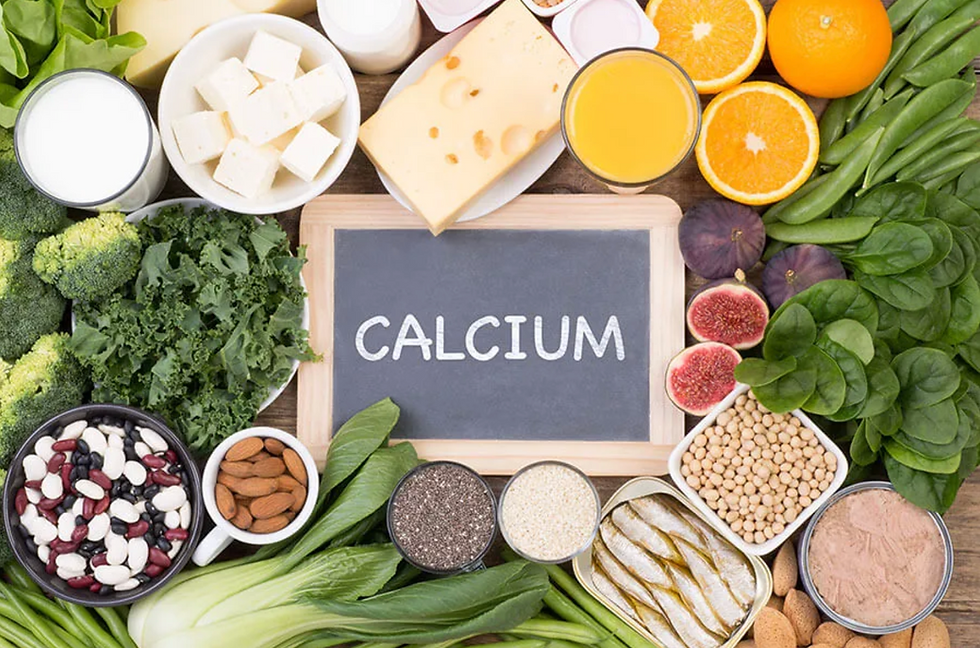
Calcium is best known for supporting bones and teeth, but it also plays a vital role in muscle contraction, nerve signaling, and heart function.
Calcium does not work alone as it relies on proper balance with magnesium, vitamin D, and other minerals. When this balance is off, calcium may not be used efficiently by the body.
Foods: Cheese, Milk, Spinach, Yogurt, Kale, Collard Greens, Broccoli, Chia Seeds, Sardines, Salmon, Tofu
Potassium: Fluid and Nerve Balance

Potassium helps regulate fluid balance, nerve signaling, and muscle contractions, including the heartbeat. It works closely with sodium to maintain proper cellular function.
Low potassium levels can contribute to muscle weakness, cramping, irregular heartbeat, and fatigue. Diets low in whole foods and high in processed foods often lack sufficient potassium.
Foods: Avocado, Bananas, Mushrooms, Potatoes, Spinach, Almonds, Pumpkin Seeds, Hazelnuts, Oranges, Kiwis, Beets, Brussel Sprouts
Selenium: Antioxidant and Thyroid Support

Selenium plays an important role in antioxidant defense and thyroid hormone metabolism. It helps protect cells from oxidative stress and supports immune health.
Imbalances in selenium can affect thyroid function and overall energy levels. Because selenium content in food depends heavily on soil quality, intake can vary widely.
Foods: Tuna, Sardines, Salmon, Shrimp, Eggs, Beef, Chicken, Milk, Mushrooms
Why Mineral Balance Matters
Minerals work together, not in isolation. When one mineral is deficient or excessive, it can disrupt the balance of others. This imbalance can affect multiple systems at once, often leading to vague or chronic symptoms that are easy to overlook.
Supporting mineral health is not about guessing or taking random supplements, it’s about understanding what your body actually needs and restoring balance at the foundational level.
The Takeaway
Minerals are essential for how you feel, function, and heal. When the body has the minerals it needs, systems work more efficiently, energy improves, and resilience increases.
As you think about your health, consider not just what you’re avoiding, but whether your body has the foundational nutrients it needs to thrive.
Find out what minerals your body could be missing by taking a Hair Follicle Test!
Hair Follicle Test (In Person)
$249.00
1h 30min
Book Now
Comments